
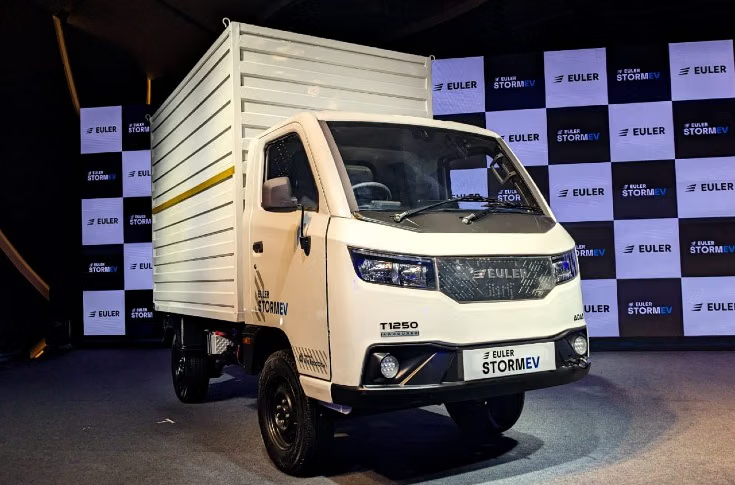
Rapid Charging Integration in Factory-built Vehicles
In a groundbreaking move set to transform the commercial electric vehicle (EV) landscape, a new partnership has been announced that integrates 15-minute rapid charging technology directly into factory-built vehicles. This initiative aims to significantly accelerate EV adoption in the commercial sector by addressing one of the most critical barriers: charging time.
Technical Advancements in Rapid Charging Technology
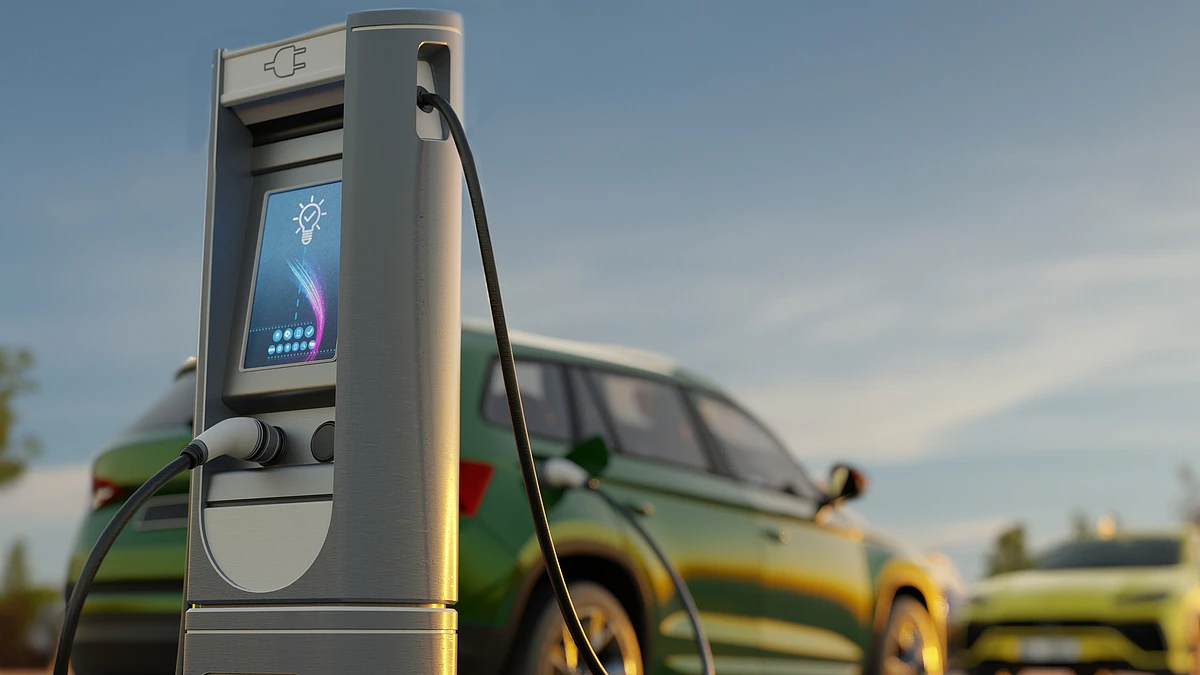

The new rapid charging system boasts impressive technical specifications:
- Charging Capability: Up to 80% charge in just 15 minutes.
- Compatibility: Universal design compatible with multiple EV models.
- Energy Efficiency: Reduced energy loss during the charging process.
- Longevity: Enhanced battery life through optimized charging cycles.
Impact on the Indian Automotive Market
This technological breakthrough is poised to make a significant impact on the Indian automotive market, particularly in the commercial sector. The ability to charge vehicles rapidly reduces downtime and increases operational efficiency, making EVs a more attractive option for businesses.
Competition Heats Up in the EV Charging Arena
With the introduction of rapid charging technology, existing players in the Indian EV market such as Tata Motors, Mahindra, and international brands like Tesla are forced to reevaluate their strategies. These competitors already have various fast-charging solutions but none as quick as the new 15-minute rapid charge.
Buyer’s Guide: Embracing the Future of Commercial EVs
For businesses contemplating an investment in the commercial EV sector, this new technology presents a game-changing proposition. The reduced charging times coupled with the extended battery lifetime promise not only to lower operational costs but also to enhance fleet efficiency. Early adoption could provide significant competitive advantages in logistics and transportation sectors.