
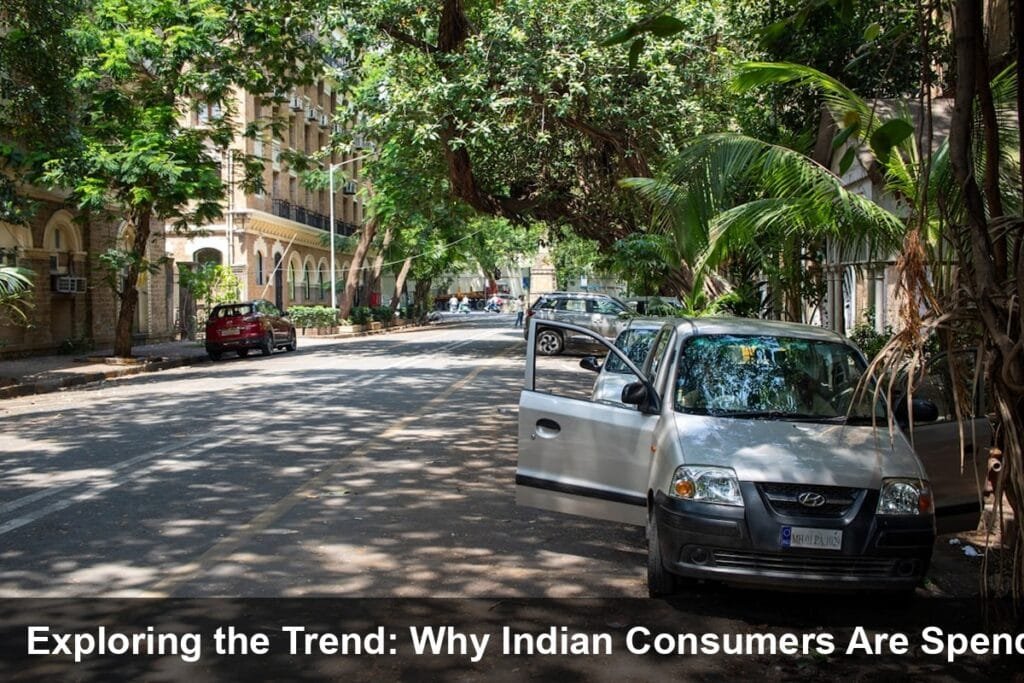
Indian car buyers are stretching their budgets more than ever before. A deeper look reveals that the shift goes beyond basic transportation needs. Cars now represent status, security, and advanced technology. This trend reflects a broader consumer behavior shift in the Indian automotive market.
Why Indian Consumers Are Spending More on Cars?
The growing middle class and increased disposable income play crucial roles. Consumers now prioritize features, brand value, and comfort. These preferences drive them to choose higher-end models. This trend is reshaping the market dynamics and influencing car manufacturers’ strategies.
Vehicle Purchase Drivers
- Status Symbol: Consumers view car ownership as a status marker, pushing them towards premium brands.
- संरक्षा विशेषताएं: Increased awareness about safety is leading buyers to opt for cars with advanced safety features.
- प्रौद्योगिकी एकीकरण: The demand for in-car technology and connectivity is influencing purchasing decisions.
- Comfort and Design: Aesthetic and comfort factors are becoming decisive in car selection.
बाजार पर प्रभाव
As buyers opt for more expensive models, car manufacturers are introducing more premium and technologically equipped vehicles. Brands like हुंडई, मारुति सुजुकी, और टाटा मोटर्स are expanding their high-end offerings. This shift is not only about luxury; it’s about delivering value that aligns with evolving consumer expectations.
This trend is also fostering a competitive landscape where manufacturers constantly innovate to capture consumer interest. The rise in vehicle financing options has also made it easier for consumers to afford higher-priced cars, thus supporting the trend of budget stretching.
इसे भी पढ़ें: Maruti Suzuki e Vitara Base Delta Variant Now Available
Comparative Analysis
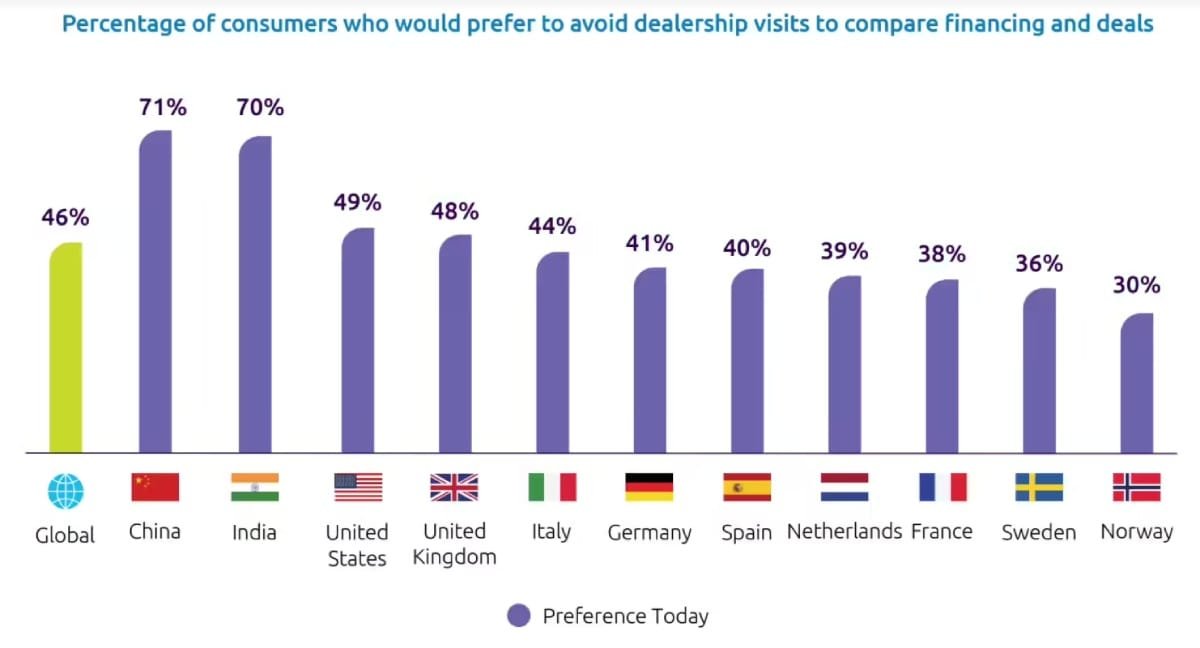
Comparing this trend with global markets, Indian consumers exhibit unique brand loyalty and value perceptions. Unlike Western markets where environmental factors weigh heavily, Indian buyers focus more on brand prestige and technology.
Ultimately, this evolving preference pattern is a signal to car manufacturers about changing consumer priorities. It’s an opportunity to rethink product offerings and market strategies to cater to this new wave of demand.