
ईंधन की कीमतों में उछाल: ऑटोमोटिव बाजार पर प्रभाव
15 मई, 2026 को भारत में ईंधन की कीमतों में भारी वृद्धि देखी गई। पेट्रोल और डीजल की कीमतों में 3 रुपये तक की बढ़ोतरी हुई। इस वृद्धि का असर मुंबई, दिल्ली, कोलकाता और चेन्नई सहित सभी महानगरों पर पड़ा। इस मूल्य वृद्धि के कारण वाहन उद्योग को नई चुनौतियों का सामना करना पड़ेगा।.
अब उपभोक्ता ईंधन की बचत करने वाले वाहनों की ओर अधिक आकर्षित हो सकते हैं। इस बदलाव से इलेक्ट्रिक और हाइब्रिड मॉडलों की बिक्री में वृद्धि हो सकती है। वाहन निर्माताओं पर ईंधन दक्षता प्रौद्योगिकियों में तेजी से नवाचार करने का दबाव बढ़ सकता है।.

मूल्य वृद्धि से उपभोक्ता व्यवहार में भी बदलाव आ सकता है। परिवार नई कार खरीदने में देरी कर सकते हैं। इसके बजाय, वे पुरानी गाड़ियों या सार्वजनिक परिवहन का विकल्प चुन सकते हैं। इस बदलाव का अल्पावधि में कार बिक्री पर नकारात्मक प्रभाव पड़ सकता है।.
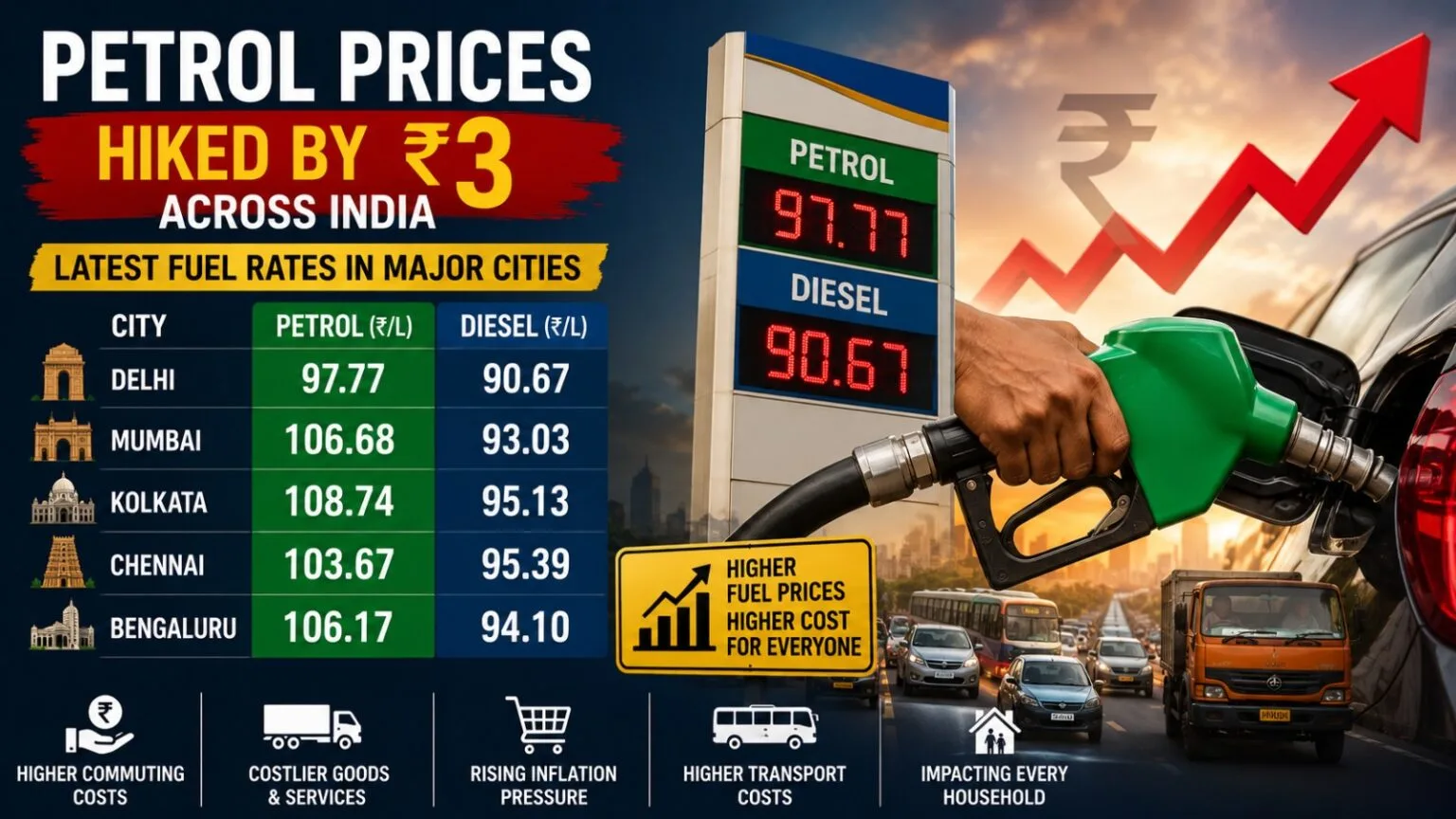
ईंधन की बढ़ती लागत अक्सर वस्तुओं और सेवाओं की कीमतों में वृद्धि का कारण बनती है। परिवहन क्षेत्र, जो डीजल पर अत्यधिक निर्भर है, को परिचालन लागत में वृद्धि का सामना करना पड़ सकता है। इससे सार्वजनिक परिवहन के किराए और माल ढुलाई शुल्क में वृद्धि हो सकती है, जिससे आम आदमी की जेब पर असर पड़ेगा।.
हालांकि, यह परिदृश्य इलेक्ट्रिक वाहन निर्माताओं के लिए एक अवसर भी प्रदान करता है। टाटा मोटर्स और महिंद्रा, इलेक्ट्रिक वाहन बाजार में प्रमुख भूमिका निभाने वाली कंपनियों को पेट्रोल और डीजल की उच्च लागत से बचने की चाह रखने वाले उपभोक्ताओं की ओर से बढ़ती रुचि देखने को मिल सकती है।.
इस स्थिति में सरकार की प्रतिक्रिया भी महत्वपूर्ण होगी। इलेक्ट्रिक वाहनों को बढ़ावा देने वाली नीतियों को गति मिल सकती है। इलेक्ट्रिक वाहन खरीदारों के लिए सब्सिडी और लाभ अधिक आकर्षक हो सकते हैं।.
निष्कर्षतः, भारत के प्रमुख शहरों में हाल ही में ईंधन की कीमतों में हुई वृद्धि चुनौतियाँ और अवसर दोनों प्रस्तुत करती है। यह उपभोक्ताओं के विकल्पों, ऑटोमोटिव उद्योग के रुझानों और आर्थिक रणनीतियों को प्रभावित करती है। ऑटोमोटिव क्षेत्र के हितधारकों के लिए इन परिवर्तनों की निगरानी करना अत्यंत महत्वपूर्ण होगा।.